Category: Communication
-

What’s In Your Leader Library?
If you could only recommend five books every leader should read, what would they be? We landed on four. The fifth one… we’re still debating. In Part 4 of the Becoming Good at Growth series, we talk about why leaders are learners and why “good enough” is a slow leak.
-
Are You Communicating or Just Talking?
I have a confession. When I’m nervous or unsure, I use too many words. And it turns out, that’s a leadership problem. In Part 3 of the Becoming Good at Growth series, we look at why communication isn’t a courtesy. It’s the operating system of everything we do.
-

The K-Cup® Nobody Threw Away
What does a used K-Cup in the office Keurig have to do with leadership? More than you’d think. In Part 2 of the Becoming Good at Growth series, we get practical about what ownership actually looks like, and what gets in the way when things don’t go as planned.
-

Why Trying Harder Isn’t the Answer
What if the problem isn’t your effort? What if it’s your approach? In this first post of a five-part series on leadership growth, a high jumper from Southern Oregon and a Marine in a mediocre sci-fi novel make a surprisingly strong case for why trying harder isn’t always the answer.
-

Permission for Candor
“Psychological safety is about permission for candor. Not the absence of tension.” I’ve shared this idea in rooms of two and rooms of two hundred. And every time I do, I see something shift in people’s faces. Because somewhere along the way, psychological safety became a synonym for making sure nobody’s uncomfortable. That’s not what…
-

Hard Conversations Pt. 3
You’ve had the hard conversation… the work is done right? This is the part that can get overlooked or avoided. Finish well.
-
Hard Conversations Pt. 2
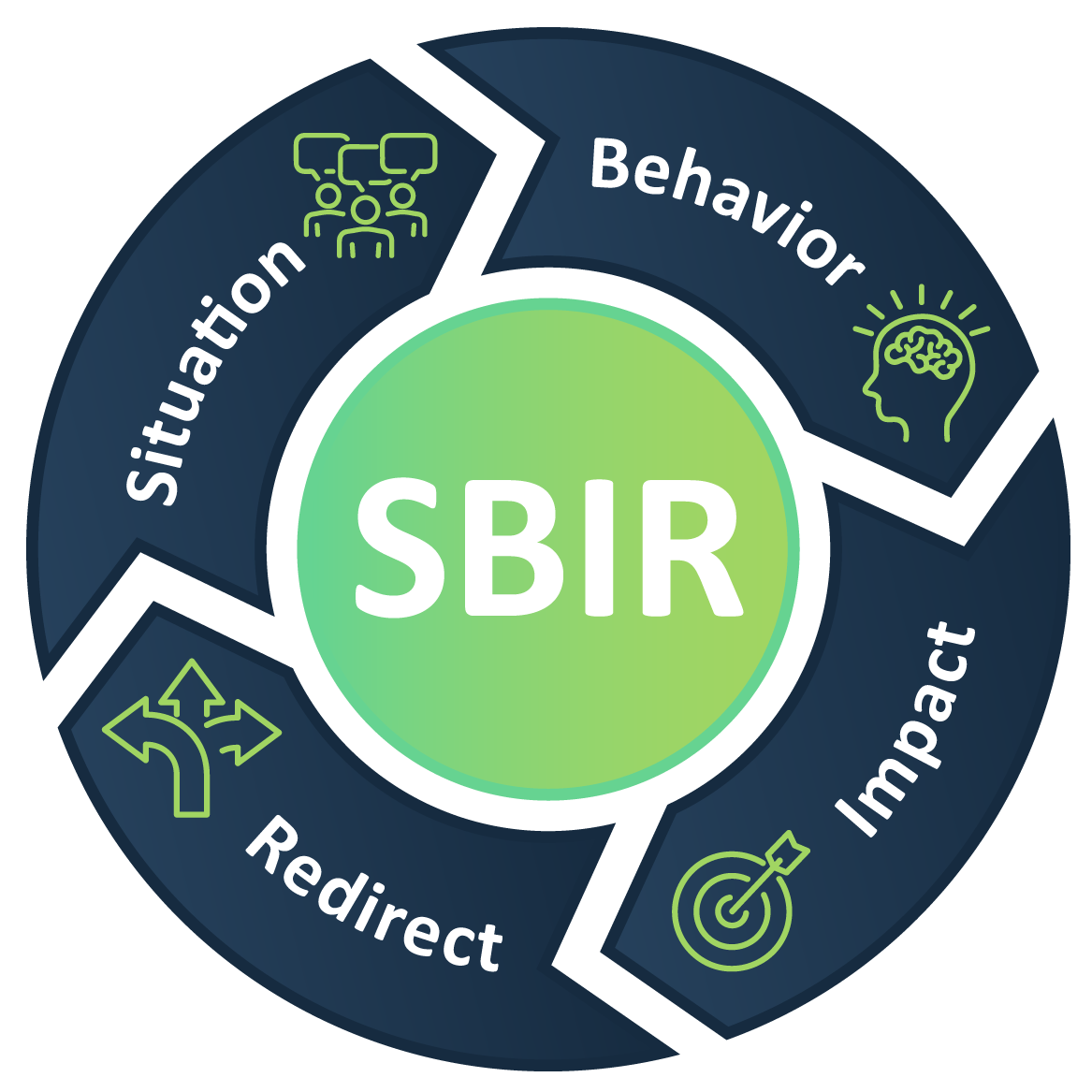
In Part 1, we talked about Why hard conversations matter, the cost from avoiding them, how conflict isn’t the enemy, why being kind and being nice are two very different things. Now comes the hard part of hard conversations: sitting down and having the hard conversation.
-

Hard Conversations Pt. 1
Why the Conversations You’re Avoiding Are the Ones That Matter Most Let me be transparent with you before we go any further: I don’t like hard conversations. Not in the way that people sometimes say it to seem relatable and then reveal they’re actually quite good at them. I mean genuinely, viscerally, avoid-them-if-at-all-possible don’t like…
-

Speaking Their (Love) Language: A Simple Guide to Love and Appreciation
I’ve had the opportunity to lead several small groups and team meetings based on the ideas presented in 5 Love Languages and the workplace-centric version, 5 Languages of Appreciation. Understanding the needs and communication styles of those you’re around makes nearly everything easy, better, and more meaningful. The Five Love Languages (5LL) by Dr. Gary…
-

Servant Leadership – My Version of an Introduction
When “leadership” is mentioned, many ideas can come to mind. Vision. Decisiveness. Strength. Strategic. Competitive. All of these may be accurate. Many are desirable, but some, depending on how they are portrayed, may not. Two ideas have influenced my perspective on leadership. The first came from my business coach, who said, “The accumulation of little…