

Encouragement can make the difference between a good day and a bad one. It’s the ingredient that, for some reason, we can be stingy about sharing. Encouragement can speak life into someone, helping them pick themselves up and keep moving forward, even when (or maybe especially when) they didn’t believe they could continue, let alone make it through.
Encouragement, in all its various forms, can foster deep relationships and has a broader ripple effect than you might imagine.
Encourage/Being an encourager/Encouragement is why I create this content. For some, it’s an easy thing to do. For others, it takes a more intentional decision. Not because they don’t want to encourage others or they don’t think it’s important, but because it just doesn’t flow naturally.
Here are some thoughts on intentionally encouraging and building stronger connections where you have influence.
Superpowers

You may have a person or two in your life who are not just encouragers but Super Encouragers (go ahead and imagine them with a cape and a superhero utility belt). It’s just who they are. What is it about them that makes them such a great encourager? My guess is that they share some of these Superpowers:
Active Listener: One of the primary tools of an encourager is active listening. They pay attention to what you’re talking about and saying. They listen for cues where you may need support or reassurance. They listen to and remember your story, problem, or preference. Then, they ask about your story. They follow up on how you’re doing with that problem. They circle back to that area where you needed support – sometimes days or weeks later. And you’re struck with, “Wow! They really listened to what me.” Active listening shows them (and you) that they care and helps them understand how to encourage you most effectively.
Genuine and Authentic: The next tool in the tool belt for these Super Encouragers is being authentic – being real. You don’t get the sense that they are trying to manipulate you. They are genuinely interested in you. If they aren’t genuine and authentic, you can sense it – it comes off as forced or insincere as if there is an Encouragement Quota they need to satisfy. Instead, they take the time to understand what you need and try to deliver it.
Positive Language: This may seem obvious, but when these Super Encouragers are at their best, their language is… wait for it… encouraging, positive, and helpful. Why is this a big deal? Often, the time that we need the most encouragement is when all the language that is rolling around in our brains – isn’t encouraging, positive, or helpful. We speak to ourselves in ways we would never talk to a friend or colleague. Yet, because it’s in our heads – somehow, it’s “normal.” The Super Encourager believes in you when you’re struggling.
Celebrate Effort, Not Just Results: Finally, the Super Encouraging understands this is a journey. That this moment, event, or season isn’t the end all, but rather, progress. They acknowledge the hard work you put into a task, regardless of the outcome. Does that sound too “soft”? If you’ve ever been around a baby – everything is progress. The first time they turn over, sleep through the night, the first time they walk. There aren’t a lot of people out there who, looking at the baby, who tried to take a step and fell, would berate the child, “…look at you – you can’t even walk…” It might be a silly comparison, but the fact is, they are on a journey, and they are making progress. So are you. The Super Encourager often reminds you of this and celebrates the wins along the way… and the results when you get there.
Here’s the great thing about these Superpowers – they’re totally learnable. They don’t require that you get bit by a radio-active Encouragement spider or be ejected from your Super Encourager planet, only to realize your natural skills are on hyper-drive once you hit the earth’s atmosphere and (…too much with the Superhero analogy… got it). You can learn, enhance, and grow these skills.
Superpowers: Activate

So, what does this look like in real life? Here are a few simple examples:
At Work: You notice that someone is struggling with a presentation. Instead of criticizing or ignoring it, you offer encouragement by pointing out that they’ve got some great ideas and offer suggestions on how to present them. You offer to help them practice the presentation. This act of encouragement can help provide the confidence they need, resulting in a better presentation and a new level of connection.
With A Friend: You’ve got a friend who’s going through it. You offer to buy them coffee and listen to their story. The simple act of being present, genuine, and listening can speak volumes, reminding them that they’re not alone and that you’ll walk through it with them. Knowing you’re not alone is a huge encouragement.
As A Parent: With kids, the list of situations they run up against where they can feel defeated is nearly limitless. The list goes on: a grade, a performance in a play, a game, a relationship. As a parent or adult who has influence in their life, you have a unique opportunity and ability to speak life into them. Simple words like, “I’m so proud of you and how hard you work. It may not feel like it now, but it will get better, and I’m here with you.” Not only can this help in the moment, but you’re also developing resilience and a growth mindset.
Secret Identity

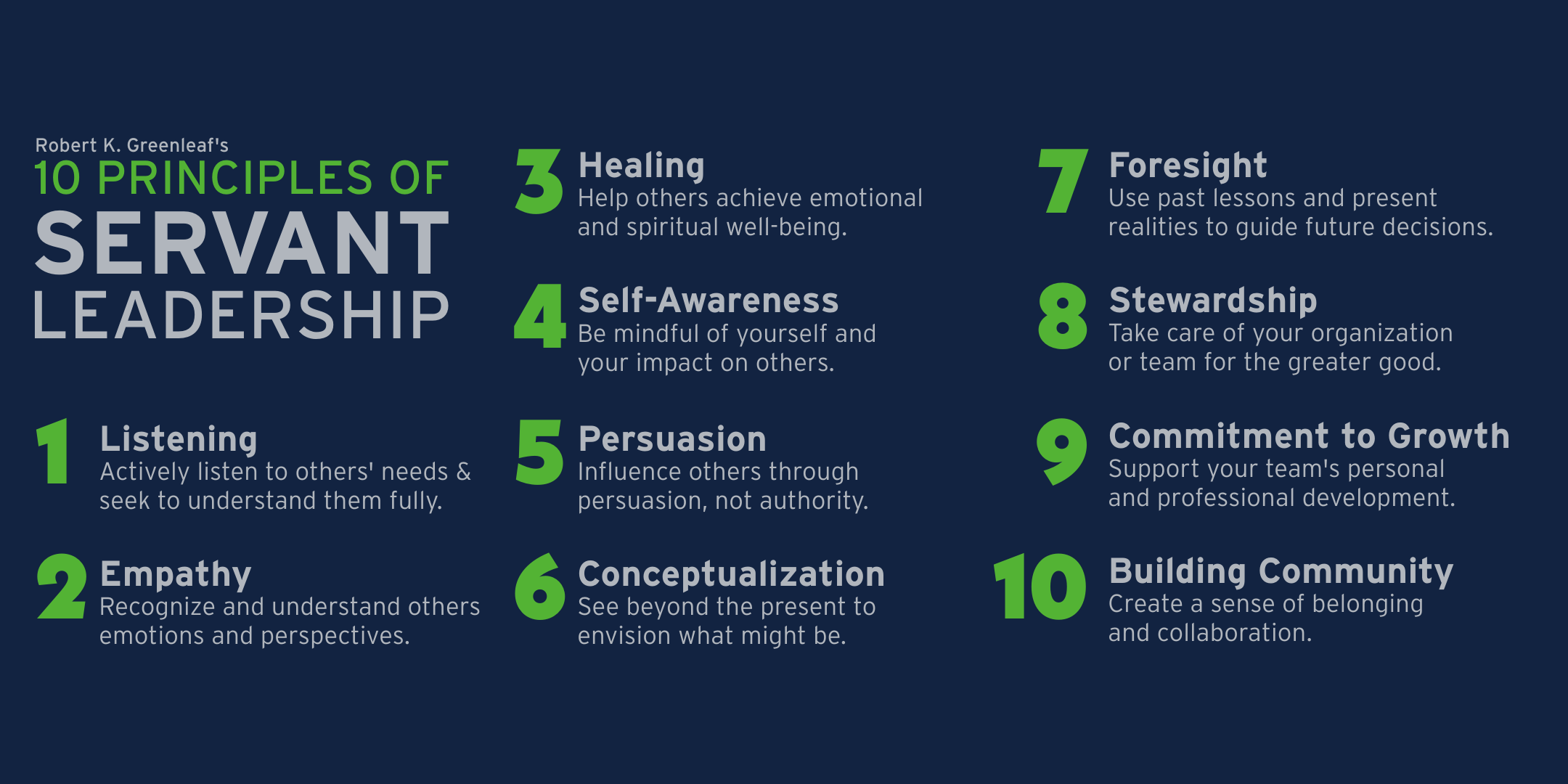
Encouraging others not only benefits others but also encourages you. You’re serving others. You’re being empathetic. You’re listening. You may be providing some amount of healing. You’re able to conceptualize and see beyond the present to envision what might be. You can draw from your past experiences and present realities to help guide them. You’re helping them grow. You’re developing community. If that list sounds familiar – it’s because those are all traits associated with Servant Leadership.
“When we encourage others, we boost their self-esteem, enhance their self-confidence, make them work harder, lift their spirits, and help them achieve their goals. Encouragement goes straight to the heart and is always available. Be an encourager. Always.” — Roy T. Bennett
Why it Matters
Encouragement can be the difference between giving up and powering through – even if just barely. It reminds others that someone believes in them, even when they doubt themselves. When you encourage others, you help them grow and fortify your relationship with them by increasing trust and respect. Encouragement creates an environment where people feel safe to take risks, learn, and thrive.
“A word of encouragement during a failure is worth more
than an hour of praise after success.” — Unknown
Be Encouraged…
and Be an Encourager today.





 Be encouraged